
Lifestyle
UK Sends 2 to Prison for Combined 12 Years for Crypto Scam


The UK has sentenced two men to a combined total of 12 years in prison after they admitted to running a crypto scheme that stole over 1.5 million British pounds ($2 million) by cold-calling victims.
The Financial Conduct Authority said on Friday that a central London court handed the scheme’s operators, Raymondip Bedi and Patrick Mavanga, their sentences after the pair pleaded guilty to multiple charges in November.
Bedi was sentenced to five years and four months behind bars, while Mavanga was sentenced to six years and six months.
“Bedi and Mavanga lured investors with promises of high returns on crypto investments, but their schemes were nothing but a callous scam,” Steve Smart, the FCA’s joint executive director of enforcement and market oversight, said at the time of the pair’s conviction in November.
Pair ran cold-calling crypto con
The FCA said in November that between February 2017 and June 2019, the pair were part of a group that would cold-call people to direct them to a “professional-looking website where they were offered high returns for fake investments in crypto.”
The duo managed to defraud at least 65 investors out of just over 1.54 million British pounds ($2.1 million) over that time.

The money was sent to companies they operated — Astaria Group LLP, CCX Capital and authorized clones of the firms Ian Buckley Financial Services and Capital Partners Group.
Duo were “leading players” in scam
In sentencing on Friday, the FCA said Southwark Crown Court Judge Griffiths remarked that Bedi and Mavanga “were both leading players in a conspiracy whereby the victims of the fraud were persuaded to invest in cryptocurrency consultancy”
“You conspired to drive a coach and horses through the regulatory system,” he reportedly told the pair.
Related: 5 ‘insidious’ crypto scams to watch out for this year
The FCA’s Smart said the pair “ruthlessly defrauded dozens of innocent victims, and it is right that they have received these prison sentences.”
Bedi and Mavanga pled guilty to crypto scheme
The two men were first charged in April 2023. The FCA said in November last year that Bedi pleaded guilty to conspiracy to defraud, money laundering and conspiracy to breach the UK’s financial services laws.
Mavanga similarly pleaded guilty to conspiracy to defraud and conspiracy to breach finance laws, along with admitting to possessing fake identification documents with an improper intention.
He was also convicted by a jury of perverting the course of justice for deleting phone call recordings after Bedi was arrested in March 2019.
At the time, a jury did not reach a verdict on a third unnamed defendant, and they would face a retrial in September, while Rowena Bedi, a fourth person charged in connection with the scheme, was acquitted of a single money laundering charge, the FCA said.
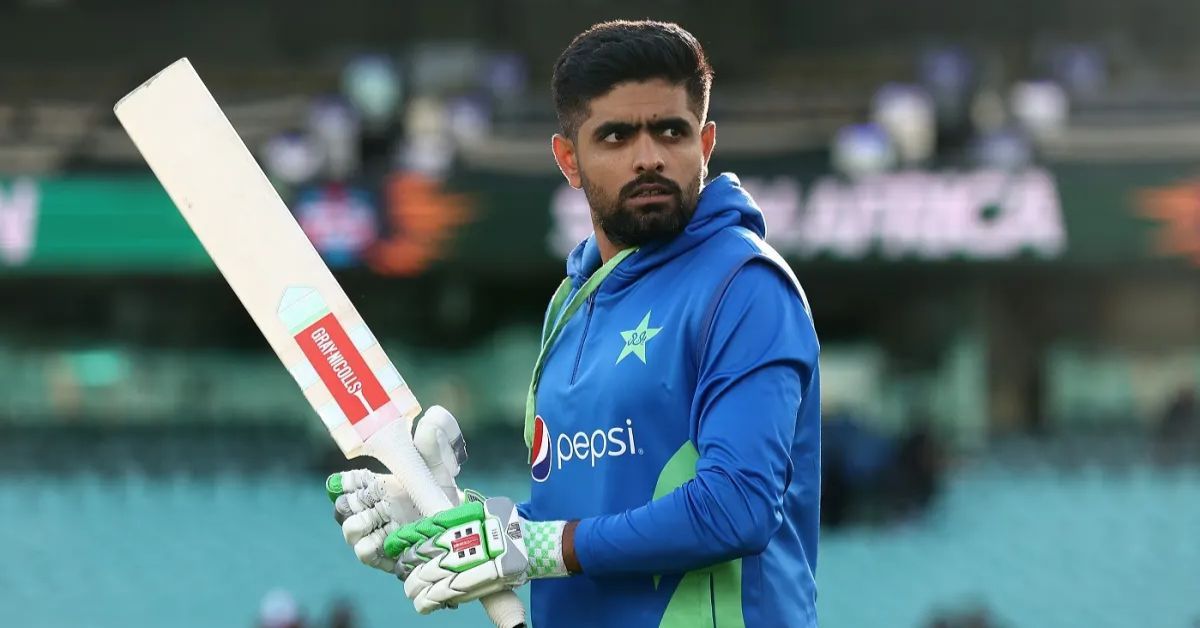
Introduction
In modern cricket, few players combine elegance, consistency, and leadership as effectively as Babar Azam which is Pakistan’s stylish Run Machine. Widely regarded as one of the finest batsmen of his generation, Babar has become the backbone of Pakistan’s batting lineup. His stylish stroke play, calm temperament, and ability to score runs across all formats have earned him the nickname “Pakistan’s Stylish Run Machine.” Through dedication and remarkable skill, Babar has established himself as a global cricket star and an inspiration for young cricketers.
Early Life and Background
Babar Azam was born on October 15, 1994, in Lahore. Coming from a cricket-loving family, he developed an interest in the sport at a very young age. He is also related to famous Pakistani cricketers Kamran Akmal and Umar Akmal, who helped guide him during his early career.
Babar trained in Lahore’s cricket academies where coaches quickly noticed his natural batting talent and discipline. His strong performances in youth cricket soon earned him a place in Pakistan’s Under-19 team.
Rise Through Youth Cricket
Babar represented Pakistan in the ICC Under‑19 Cricket World Cup in both 2010 and 2012. During these tournaments, he showcased his impressive batting technique and consistency.
His performances at the youth level attracted national selectors and paved the way for his entry into professional cricket.
International Debut and Early Career
Babar made his One Day International (ODI) debut for Pakistan in 2015 against Zimbabwe national cricket team. Soon after his debut, he started scoring runs consistently and proved himself as a reliable top-order batsman.
In 2016, Babar gained global attention when he scored three consecutive ODI centuries against West Indies cricket team. This remarkable achievement placed him among the elite young batsmen in world cricket.
Batting Style and Strengths
Babar Azam is admired for his classic batting technique and elegant stroke play. His cover drive is often compared with the best shots played by legendary cricketers. Key strengths of his batting include:
- Excellent timing and balance
- Strong shot selection
- Ability to anchor the innings
- Consistency in all formats of the game
- Calmness under pressure
Because of these qualities, Babar is often compared with modern greats like Virat Kohli, Joe Root, and Kane Williamson.
Captaincy and Leadership
Babar Azam also served as the captain of the Pakistan national cricket team in different formats. Under his leadership, Pakistan achieved several notable victories and improved its ranking in international cricket.
His calm personality and professional attitude helped build a strong team environment and inspired young players to perform better.
Records and Achievements
Throughout his career, Babar Azam has achieved numerous milestones, including:
- Becoming one of the fastest players to reach 5000 ODI runs
- Scoring centuries in all three formats of international cricket
- Ranking among the top batsmen in ICC rankings
- Leading Pakistan to several important series victories
His consistency and performance have made him one of Pakistan’s most dependable cricketers.
Impact on Pakistan Cricket
Babar Azam’s success has had a huge impact on cricket in Pakistan. Young players admire his dedication, discipline, and professional approach to the game. He has become a role model for aspiring cricketers who dream of representing their country at the highest level.
Conclusion
Babar Azam truly deserves the title “Pakistan’s Stylish Run Machine.” His elegant batting, impressive records, and leadership qualities have made him one of the most important figures in modern cricket. As his career continues to grow, cricket fans around the world eagerly watch his performances, expecting many more memorable innings in the years to come.
With talent, determination, and passion for the game, Babar Azam remains a shining star in the history of Pakistan cricket.
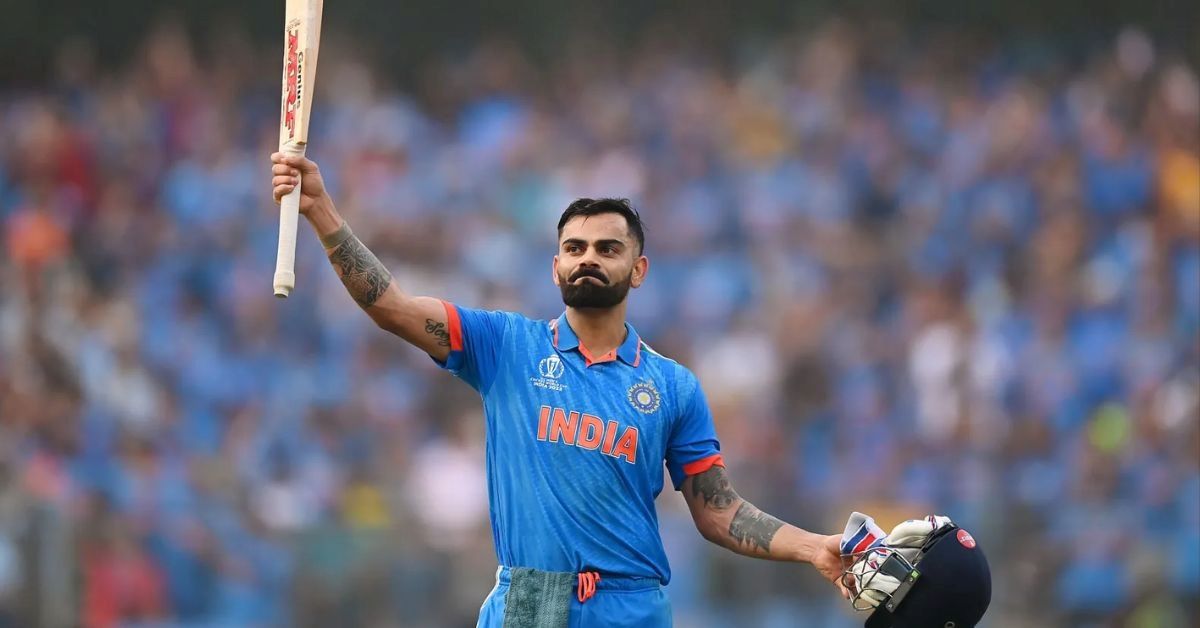
Virat Kohli is widely regarded as one of the greatest cricketers of the modern era. Known for his aggressive playing style, remarkable consistency, and strong leadership, Kohli has become a global icon in the world of cricket. His journey from a young cricket enthusiast in India to one of the most successful players in international cricket is a story of determination, talent, and hard work.
Early Life and Passion for Cricket
Virat Kohli was born on November 5, 1988, in Delhi. From a very young age, he showed an immense passion for cricket. Recognizing his talent, his father enrolled him in the West Delhi Cricket Academy where Kohli began professional training.
Kohli quickly developed a reputation as a talented batsman with a strong competitive spirit. His dedication and hard work helped him progress rapidly through the ranks of youth cricket in India.
Breakthrough in International Cricket
Virat Kohli gained international recognition when he captained the India Under-19 cricket team to victory in the ICC Under-19 Cricket World Cup 2008.
Later that same year, he made his debut for the India national cricket team in One Day Internationals. Over time, Kohli established himself as one of the most reliable batsmen in the team with his ability to chase targets and perform under pressure.
Dominance in International Cricket
Virat Kohli soon became one of the most consistent run scorers in international cricket. His batting style combines technical excellence with aggressive intent.
Some of his major achievements include:
- Scoring thousands of runs across all formats of international cricket
- Being among the fastest players to reach multiple batting milestones
- Winning several Player of the Series awards
- Ranking among the top batsmen in ICC rankings for many years
Kohli is especially known for his outstanding performances in ICC Cricket World Cup and other major tournaments.
Leadership as Captain
Virat Kohli also served as captain of the India national cricket team across multiple formats. As captain, he focused on building a strong and competitive team.
Under his leadership:
- India achieved historic test series victories overseas
- The team maintained the number one ranking in Test cricket for several years
- Fitness and discipline became a major focus for the squad
Kohli’s aggressive leadership style helped transform the team into one of the strongest sides in international cricket.
Success in the Indian Premier League
Apart from international cricket, Kohli has also been a major star in the Indian Premier League.
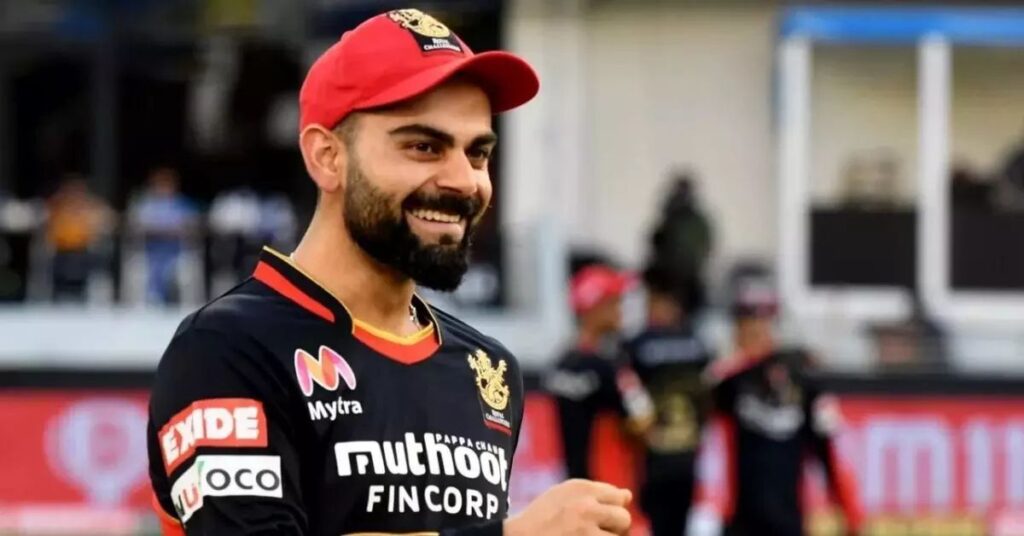
He has played for Royal Challengers Bangalore since the beginning of his IPL career. Kohli holds several IPL records, including one of the highest run totals in a single season.
His performances in the league have made him one of the most popular players in T20 cricket.
Also in the presence of kohli Royal Challengers Bangalore Win IPL 2025 season.
Fitness, Discipline, and Work Ethic
One of the defining characteristics of Virat Kohli’s success is his extraordinary fitness and discipline. He is known for maintaining strict training routines, a balanced diet, and intense workout sessions.
His commitment to fitness has inspired many young cricketers to focus on physical conditioning as an essential part of the sport.
Influence Beyond Cricket
Beyond the cricket field, Kohli is also a global celebrity and entrepreneur. He has collaborated with several major brands and launched his own ventures.
He is married to Anushka Sharma, one of India’s leading film actresses. Together, they are considered one of the most influential celebrity couples in India.
Kohli is also actively involved in charity work through the Virat Kohli Foundation, which supports underprivileged children and promotes sports development.
Legacy and Impact
Virat Kohli’s influence on modern cricket is undeniable. His aggressive batting style, leadership qualities, and unmatched consistency have set new standards for future generations of cricketers.
Young players around the world admire him for his passion, determination, and relentless pursuit of excellence.
Conclusion
The rise of Virat Kohli from a young cricket lover in Delhi to one of the greatest modern cricketers is truly inspiring. His journey reflects the importance of talent, hard work, discipline, and self-belief.
As he continues to perform at the highest level, Kohli’s legacy as a modern cricket legend will remain a source of inspiration for cricket fans and aspiring athletes around the world.
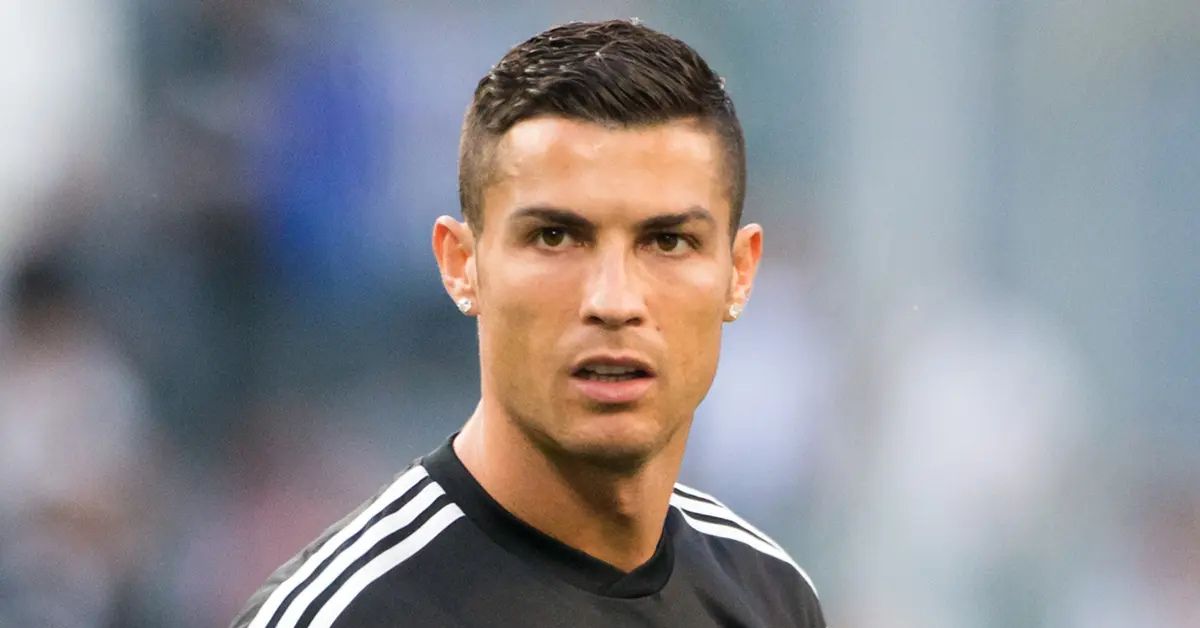
Cristiano Ronaldo is widely regarded as one of the greatest football players in history. Known for his incredible athleticism, goal-scoring ability, and unmatched dedication, Ronaldo has inspired millions of fans across the world. His journey from a young boy in Portugal to a global football icon is a story of talent, hard work, and perseverance.
Early Life and Childhood
Cristiano Ronaldo dos Santos Aveiro was born on February 5, 1985, in Funchal. He grew up in a modest family where financial struggles were common. Despite these challenges, Ronaldo showed an early passion for football.
As a child, he played for a local club called Andorinha, where his father worked as a kit manager. His talent quickly became noticeable, and he later joined the youth academy of Sporting CP.
At the age of 12, Ronaldo moved to Lisbon to train at Sporting’s academy. This was a difficult step because he had to leave his family behind, but it marked the beginning of his professional football journey.
Breakthrough at Manchester United
Ronaldo’s big break came in 2003 when he signed for Manchester United, one of the biggest clubs in England. The legendary manager Sir Alex Ferguson recognized Ronaldo’s potential and helped him develop into a world-class player.

During his time at Manchester United, Ronaldo achieved remarkable success:
- Won multiple Premier League titles
- Won the UEFA Champions League in 2008
- Won his first Ballon d’Or in 2008
His speed, dribbling skills, and goal-scoring ability made him one of the most exciting players in the world.
Legendary Era at Real Madrid
In 2009, Ronaldo transferred to Real Madrid for a then-record transfer fee. This move marked the most successful period of his career.
At Real Madrid, Ronaldo:
- Scored 450 goals in 438 appearances
- Won four Champions League titles
- Won four Ballon d’Or awards
His rivalry with Lionel Messi during this era created one of the most exciting periods in football history.
Ronaldo became Real Madrid’s all-time top scorer, solidifying his legacy as a football legend.
Success with the Portugal National Team
Ronaldo has also achieved great success with the Portugal national football team.
One of his greatest achievements came in UEFA Euro 2016, when Portugal won its first major international trophy.
He later helped Portugal win the UEFA Nations League Finals 2019.
Ronaldo is the top goal scorer in international men’s football, showing his consistency at the highest level.
Later Career and Global Influence
After leaving Real Madrid, Ronaldo played for Juventus, where he continued scoring goals and winning titles. He later returned to Manchester United before moving to Al Nassr in Saudi Arabia.
Beyond football, Ronaldo is a global brand. His influence extends to business, fashion, and fitness. His brand CR7 includes clothing, fragrances, and hotels.
He is also one of the most followed athletes on social media, inspiring millions with his work ethic and lifestyle.
Work Ethic and Training
One of the key reasons behind Ronaldo’s success is his extraordinary discipline and dedication.
His routine includes:
- Intense daily training
- Strict diet and nutrition
- Focus on physical fitness
- Mental determination
This commitment has allowed him to perform at an elite level for more than two decades.
Legacy and Impact on Football
Cristiano Ronaldo’s legacy goes far beyond statistics and trophies. He has changed modern football with his professionalism, athletic ability, and competitive spirit.
Young players around the world look up to him as a role model. His journey proves that talent combined with hard work can lead to greatness.
Conclusion
The rise of Cristiano Ronaldo from a small island in Portugal to one of the greatest footballers in history is truly remarkable. His dedication, determination, and passion for the game have made him a global icon.
Even after achieving countless records and trophies, Ronaldo continues to inspire fans and athletes worldwide. His story reminds us that dreams can become reality with discipline, perseverance, and belief in oneself.

Babar Azam: Pakistan’s Stylish Run Machine!!!

Virat Kohli: Rise of a Modern Cricket Legend!

Cristiano Ronaldo: Rise of a Football Legend!

Cristiano Ronaldo: Life, Career, and Legacy of a Football Star

Saiyaara Movie Overview: A Soulful Romantic Journey

What is Chainlink? Complete Guide to How It Works
-
 Lifestyle11 months ago
Cristiano Ronaldo: Life, Career, and Legacy of a Football Star
-
 Lifestyle11 months ago
Saiyaara Movie Overview: A Soulful Romantic Journey
-
 Lifestyle11 months ago
What is Chainlink? Complete Guide to How It Works
-

 Lifestyle11 months ago
Trump Claims Musk ‘Off The Rails’ For Making Political Party
-

 Lifestyle11 months ago
Yellowstone National Park: Travel, Nature & Wildlife Guide
-
Lifestyle11 months ago
Understanding Crypto Market Volatility: Tips for Investors
-

 Lifestyle11 months ago
Kawasaki Z650: Power, Performance, and Style Combined
-

 Lifestyle11 months ago
Cate Blanchett: Life, Career, Awards & Legacy Explored