
Lifestyle
Cyber Truck: Future of Electric Power Drives!


The Cyber Truck represents a bold transformation in the world of pickup trucks. With its futuristic design, electric powertrain, and advanced technology, the Tesla Cybertruck challenges traditional ideas of what a truck should look like and how it should perform. Built by Tesla, Inc., it combines sustainability, durability, and high performance in a single electric vehicle (EV).
1. Revolutionary Design
Unlike conventional pickups, the Cybertruck features:
- Sharp geometric lines
- Stainless steel exoskeleton
- Ultra-hard 30X cold-rolled steel body
- Armored glass (designed for impact resistance)
Its angular, stainless-steel exterior is not just aesthetic—it enhances durability and reduces the need for traditional paint finishes.
2. Electric Performance and Power
The Cybertruck is powered entirely by electricity, eliminating the need for gasoline or diesel.
Key Performance Highlights:
- Instant torque from electric motors
- Fast acceleration (sports car–level in higher trims)
- High towing capacity
- All-wheel drive options
Electric motors provide smooth, quiet driving while maintaining strong pulling power, making it suitable for both city roads and rugged terrain.
3. Battery Range and Charging
Range is one of the most important features of any EV.
The Cybertruck offers multiple range options depending on the model. Drivers can recharge using:
- Home charging systems
- Public charging stations
- Tesla’s Supercharger network
Charging infrastructure continues to expand globally, making long-distance electric travel more practical.
4. Interior and Technology
The interior reflects Tesla’s minimalist philosophy:
- Large central touchscreen display
- Advanced driver-assistance systems
- Over-the-air software updates
- Spacious cabin and cargo vault
The truck includes Tesla’s Autopilot capabilities, enhancing safety and convenience during highway driving.
5. Utility and Practicality
Despite its futuristic appearance, the Cybertruck remains highly functional.
Utility Features:
- Large cargo bed (“vault”) with secure cover
- High ground clearance
- Adaptive air suspension
- Onboard power outlets
These features make it suitable for work, camping, and off-road adventures.
6. Environmental Impact
Electric vehicles like the Cybertruck help reduce:
- Carbon emissions
- Dependence on fossil fuels
- Air pollution
When powered by renewable energy, the environmental benefits increase significantly. This shift supports global sustainability efforts and climate goals.
7. Market Impact and Competition
The Cybertruck has disrupted the traditional pickup market, competing with electric trucks from established automakers. Its unconventional design and strong brand recognition have generated global attention and pre-orders.
By combining performance and sustainability, Tesla aims to reshape consumer expectations for pickup trucks.
8. Advantages and Challenges
Advantages:
- Zero tailpipe emissions
- High torque and acceleration
- Advanced technology features
- Durable body construction
Challenges:
- Charging time compared to refueling
- Higher upfront cost
- Infrastructure limitations in some regions
As battery technology improves, many of these challenges are expected to diminish.
9. The Future of Electric Trucks
The Cybertruck signals a broader transition toward electric mobility. Governments worldwide are encouraging EV adoption through incentives and emissions regulations. As technology advances, electric trucks are likely to become more affordable, efficient, and widely accepted.
Conclusion
The Cyber Truck: Future of Electric Power Drives! is more than just a vehicle—it is a statement about innovation and sustainability. With its distinctive design, electric performance, advanced technology, and environmental benefits, the Tesla Cybertruck represents the next chapter in automotive evolution.
As the world moves toward cleaner energy and smarter transportation, electric trucks like the Cybertruck are poised to play a significant role in shaping the future of mobility.

The Amazon Forest, often called the “Lungs of the Living Earth,” is the largest tropical rainforest on the planet and one of the most vital ecosystems for life on Earth. Spanning millions of square kilometers across South America, it plays a critical role in regulating the global climate, supporting biodiversity, and sustaining millions of people.
1. Location and Geographic Overview
The Amazon Rainforest stretches across nine countries in South America, with the majority located in Brazil. It also extends into Peru, Colombia, Venezuela, Ecuador, Bolivia, Guyana, Suriname, and France (through French Guiana).
At its heart flows the mighty Amazon River, the second-longest river in the world and one of the largest by discharge volume. The river and its tributaries form the Amazon Basin, which supports the rainforest’s rich ecosystem.
2. Climate and Environment
The Amazon has a tropical climate, characterized by:
- High temperatures throughout the year
- Heavy rainfall
- High humidity
Rainfall averages between 2,000 to 3,000 mm annually. The forest has multiple layers:
- Emergent Layer – Tallest trees reaching up to 70 meters
- Canopy Layer – Dense upper layer forming a green roof
- Understory Layer – Smaller trees and shrubs
- Forest Floor – Dark, moist ground rich in decomposers
These layers create a complex and self-sustaining ecosystem.
3. Biodiversity: A Living Treasure
The Amazon is the most biodiverse rainforest in the world. It is home to:
- Over 40,000 plant species
- Around 1,300 bird species
- More than 3,000 species of fish
- Millions of insect species
- Hundreds of mammals and reptiles
Some iconic animals include:
- Jaguars
- Sloths
- Anacondas
- Poison dart frogs
- Macaws
Many species found in the Amazon do not exist anywhere else on Earth.
4. Why It Is Called “Lungs of the Earth”
The Amazon is often called the “Lungs of the Earth” because it:
- Absorbs large amounts of carbon dioxide
- Produces oxygen through photosynthesis
- Helps regulate global temperatures
- Influences rainfall patterns worldwide
Although oceans produce most of the Earth’s oxygen, the Amazon plays a crucial role in carbon storage and climate regulation. It acts as a massive carbon sink, helping slow down climate change.
5. Indigenous People and Culture
The Amazon is home to more than 400 indigenous tribes. These communities have lived in harmony with the forest for thousands of years. They depend on it for:
- Food
- Medicine
- Shelter
- Cultural identity
Their traditional knowledge of plants and wildlife is invaluable for medicine and conservation.
6. Economic Importance
The forest provides:
- Timber
- Rubber
- Medicinal plants
- Fruits and nuts
- Ecotourism opportunities
It also supports agriculture and fishing industries in surrounding regions. However, economic exploitation must be balanced with conservation.
7. Threats to the Amazon
Despite its importance, the Amazon faces serious threats:
1. Deforestation
Large areas are cleared for cattle ranching, agriculture, and logging.
2. Climate Change
Rising temperatures and changing rainfall patterns threaten its ecosystem.
3. Mining and Infrastructure
Illegal mining and road construction damage habitats and pollute rivers.
4. Forest Fires
Many fires are intentionally set to clear land for farming.
If deforestation continues, scientists warn the Amazon could reach a “tipping point,” turning parts of the rainforest into dry savanna.
8. Conservation Efforts
Many organizations and governments are working to protect the Amazon through:
- Protected areas and national parks
- Sustainable forestry programs
- Indigenous land rights protection
- International climate agreements
Global awareness and responsible consumption also play a key role in reducing deforestation.
9. Conclusion
The Amazon Forest is not just a regional treasure—it is a global necessity. As the “Lungs of the Living Earth,” it stabilizes the climate, nurtures biodiversity, and supports millions of lives. Protecting the Amazon is not only the responsibility of South America but of the entire world.
The future of our planet is deeply connected to the future of the Amazon. Safeguarding it ensures cleaner air, a balanced climate, and a thriving Earth for generations to come.
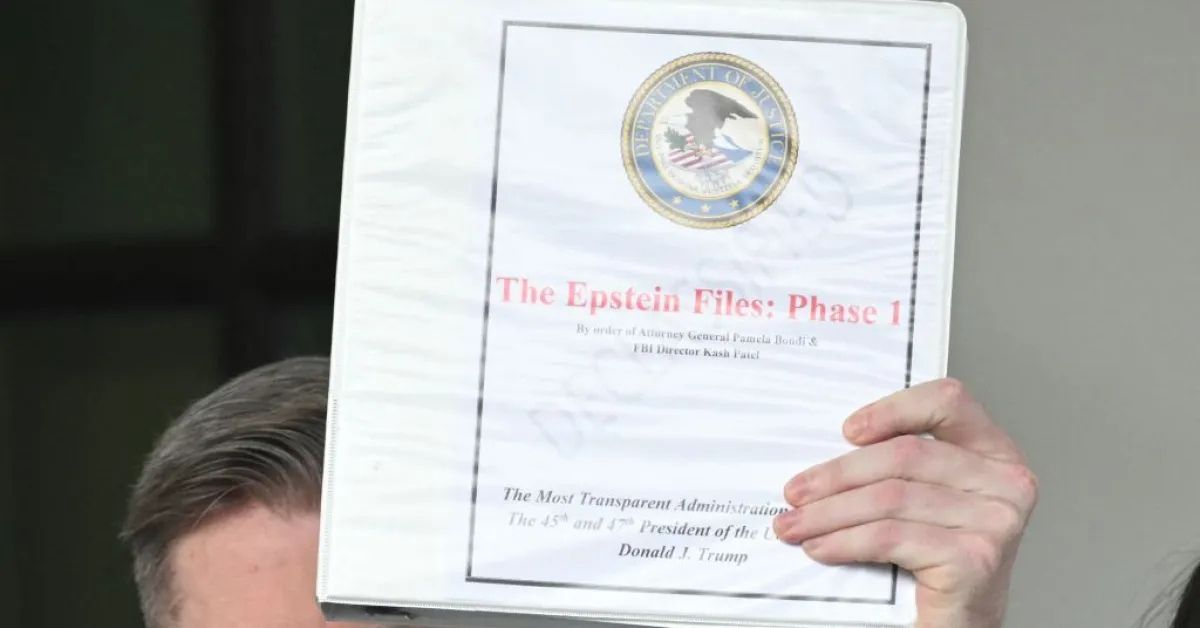
The phrase “Epstein Files” refers to the collection of court documents, investigative records, testimonies, flight logs, contact books, and related materials connected to the criminal cases involving Jeffrey Epstein. Over the years, these files have fueled public debate, media investigations, and global scrutiny due to the powerful individuals allegedly linked to Epstein’s social and financial network.
This article explores the background, key events, major revelations, legal developments, and the broader impact of the Epstein Files.
Who Was Jeffrey Epstein?
Jeffrey Epstein was an American financier who cultivated relationships with influential figures in politics, business, academia, and entertainment. Despite presenting himself as a wealthy investment manager, questions surrounded the true source of his fortune for years.
In 2008, Epstein pleaded guilty in Florida to state charges related to procuring a minor for prostitution. The controversial plea deal, often criticized as lenient, later became central to renewed public outrage.
The 2019 Arrest and Federal Charges
In July 2019, Epstein was arrested on federal charges of sex trafficking minors in New York. Prosecutors alleged he operated a trafficking network involving underage girls at properties in Manhattan, Palm Beach, and elsewhere.
In August 2019, Epstein was found dead in a Manhattan jail cell while awaiting trial. His death was ruled a suicide, but it sparked widespread skepticism and numerous conspiracy theories due to the high-profile nature of his connections.
What Are the “Epstein Files”?
The term “Epstein Files” generally includes:
- Federal and state court documents
- Depositions and sworn testimonies
- Unsealed civil case records
- Flight logs from Epstein’s private aircraft
- Contact books and address lists
- FBI investigative materials (some still sealed or partially redacted)
Many documents were released gradually through court orders, especially from defamation cases connected to Epstein associate Ghislaine Maxwell, who was later convicted on federal sex trafficking charges in 2021.
Ghislaine Maxwell’s Role
Ghislaine Maxwell, a longtime associate of Epstein, was accused of recruiting and grooming underage girls. In 2021, she was convicted in federal court for her role in the trafficking scheme and later sentenced to prison.
Her trial led to the unsealing of additional documents, further increasing public interest in the so-called Epstein Files.
High-Profile Connections
One major reason the Epstein Files attracted global attention is the number of well-known figures who appeared in his social circles. Among those publicly scrutinized was Prince Andrew, who faced civil allegations related to Epstein’s activities. Prince Andrew denied wrongdoing and later reached an out-of-court settlement in a civil lawsuit without admitting liability.
It is important to note:
- Appearing in Epstein’s contact book or flight logs does not automatically imply criminal wrongdoing.
- Allegations and documented associations are legally distinct from proven crimes.
- Many individuals named in media coverage have not been charged with any offense.
The Controversial 2008 Plea Deal
A major focus of public anger involves the 2008 non-prosecution agreement arranged by federal prosecutors in Florida. The deal allowed Epstein to plead guilty to lesser state charges, serve limited jail time, and avoid federal prosecution at the time.
In 2020, then–U.S. Labor Secretary Alexander Acosta, who had approved the plea deal while serving as a federal prosecutor, resigned amid criticism over his handling of the case.
Conspiracy Theories and Public Distrust
Epstein’s death in custody intensified speculation. Critics questioned:
- Jail supervision procedures
- Malfunctioning surveillance cameras
- The removal of Epstein’s cellmate
- Potential protection of powerful individuals
Multiple official investigations concluded there was no evidence of homicide, but public suspicion remains strong due to inconsistencies and the high-profile stakes involved.
Media, Transparency, and Ongoing Investigations
Journalistic investigations and civil lawsuits have continued to push for transparency. Courts have gradually unsealed documents, though some remain sealed to protect victims or ongoing legal matters.
Key issues still debated include:
- Whether additional names will be publicly released
- The full scope of Epstein’s financial operations
- Whether any additional criminal charges may arise
Impact on Society
The Epstein Files have had lasting consequences:
1. Greater Scrutiny of Elite Networks
The case raised questions about accountability among powerful individuals.
2. Reform of Prosecutorial Agreements
The controversy renewed debate about plea deals and prosecutorial discretion.
3. Focus on Victims’ Rights
Survivors’ voices became central in legal proceedings, emphasizing trauma-informed justice.
4. Institutional Accountability
Law enforcement, correctional institutions, and government agencies faced intense review.
Separating Facts from Speculation
Because of the high-profile names and dramatic circumstances, misinformation has spread widely online. Responsible analysis requires:
- Relying on verified court documents
- Distinguishing allegations from convictions
- Avoiding unsupported claims
- Respecting victims’ privacy
The Epstein Files represent documented legal records — but public narratives often extend beyond verified evidence.
Conclusion
The Epstein Files symbolize more than a criminal case — they reflect broader concerns about power, privilege, accountability, and transparency. While many documents have been released, unanswered questions and public distrust continue to shape discussion.
As legal processes evolve and additional materials are unsealed, the case remains one of the most scrutinized scandals of the 21st century. Ultimately, its lasting legacy may lie not only in the secrets revealed, but in the systems it forced society to examine more closely.
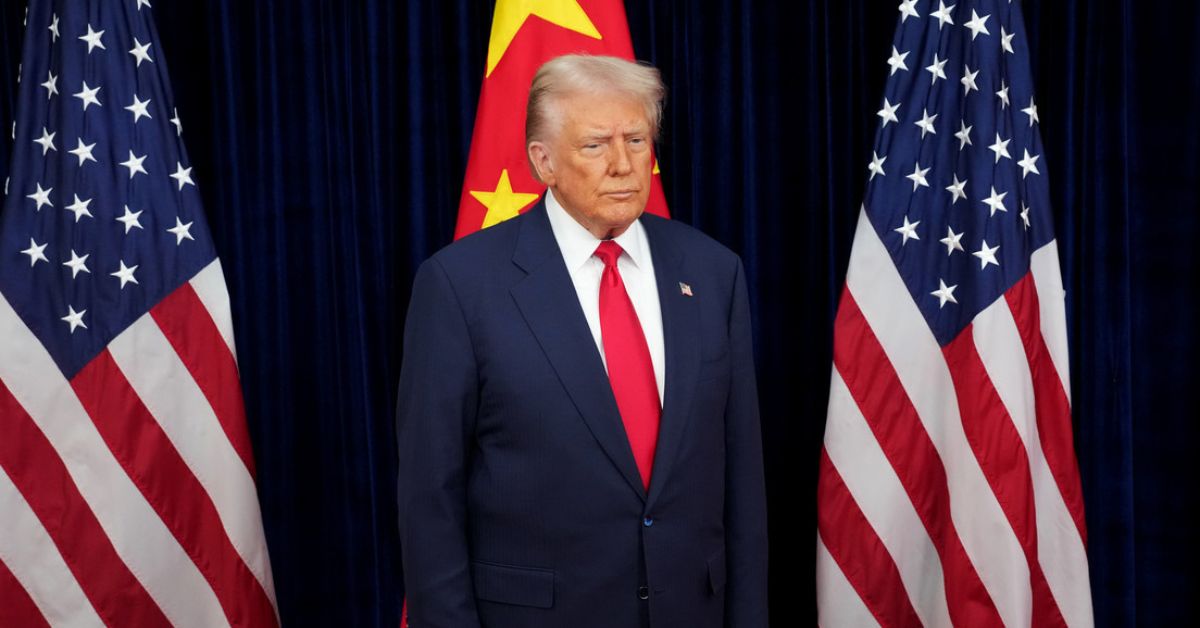
Donald Trump biography is a compelling account of ambition, business expansion, media influence, and political disruption that reshaped modern American history. From inheriting a real estate foundation built by his father to becoming a global brand name and eventually serving as the 45th President of the United States, Donald Trump’s journey is marked by bold decisions, public controversy, and lasting political impact. His life story spans decades of business deals, celebrity culture, and high-stakes political battles that continue to influence national and international conversations.
Early Life and Family Background
Donald John Trump was born on June 14, 1946, in Queens, New York City. He grew up in a wealthy and disciplined household as the fourth of five children of Fred Trump and Mary Anne MacLeod Trump. His father was a successful real estate developer who specialized in building and managing middle-income housing projects in Brooklyn and Queens.

At the age of 13, due to behavioral challenges and high energy, Trump was sent to the New York Military Academy. The structured environment played a major role in shaping his personality. He thrived in competitive settings, earned leadership roles, and developed a strong sense of discipline and confidence.
After graduating from the academy, he briefly attended Fordham University before transferring to the Wharton School of the University of Pennsylvania. In 1968, he earned a degree in economics. His education provided him with formal training in finance and business management, which later supported his ambitions in real estate development.
Entry into Real Estate and Business Expansion
After college, Trump joined his father’s real estate company, Elizabeth Trump & Son. In the early 1970s, he took control of the business and renamed it The Trump Organization. He shifted the company’s focus from outer-borough residential housing to high-profile Manhattan real estate projects.
One of his earliest major successes was the renovation of the Commodore Hotel near Grand Central Terminal, which reopened as the Grand Hyatt New York. This project established him as a rising developer in Manhattan. In 1983, he completed Trump Tower, a 58-story skyscraper on Fifth Avenue that became a symbol of luxury and personal branding.
Donald Trump biography often emphasizes his unique branding strategy. He placed his name prominently on buildings, casinos, hotels, golf courses, and licensed properties worldwide. His brand became associated with luxury, boldness, and high visibility.
However, the 1990s brought financial difficulties. Several of his Atlantic City casinos filed for bankruptcy due to heavy debt and economic downturns. Despite these setbacks, Trump restructured his businesses and maintained control over many of his core assets. His ability to recover from financial struggles contributed to his public image as a resilient businessman.
Expansion into Entertainment and Media
In addition to real estate, Trump entered the entertainment industry. He purchased the Miss Universe, Miss USA, and Miss Teen USA beauty pageants in the 1990s, expanding his global exposure.
His most significant media breakthrough came in 2004 with the launch of the reality television show The Apprentice. The show featured contestants competing in business-related challenges for a job within The Trump Organization. Trump’s catchphrase, “You’re fired,” became widely recognized and strengthened his image as a decisive executive.
The success of The Apprentice ran for many seasons and significantly increased his popularity across America. For many viewers, he became a symbol of business authority and strong leadership. This media exposure played a crucial role in shaping the public persona that later supported his political ambitions.
Political Aspirations and 2016 Presidential Campaign
Although Trump had expressed political interest for decades, he officially announced his candidacy for president in June 2015 as a Republican. His campaign immediately drew attention due to its unconventional style and direct messaging.
He focused on key issues such as immigration reform, border security, trade renegotiation, tax reduction, deregulation, and job creation. His slogan, “Make America Great Again,” became one of the most recognizable political slogans in modern history.
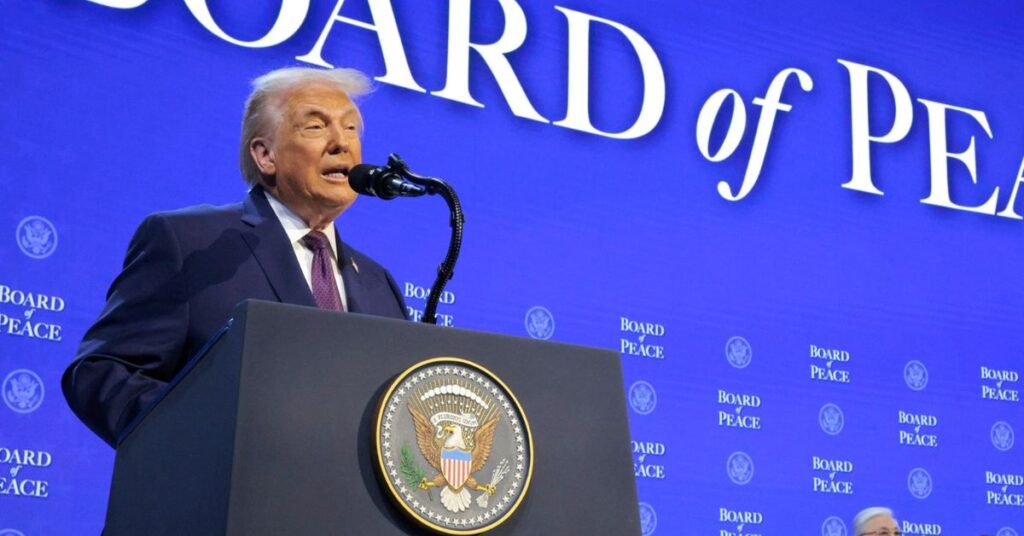
Throughout the Republican primaries, Trump defeated several established politicians, demonstrating strong support among voters who felt disconnected from traditional political leadership. In November 2016, he won the presidential election against Democratic candidate Hillary Clinton, securing victory through the Electoral College.
His election was widely regarded as one of the most surprising outcomes in American political history.
Presidency (2017–2021)
Donald Trump was inaugurated on January 20, 2017, becoming the 45th President of the United States. His presidency was characterized by rapid policy changes, strong executive actions, and continuous media attention.
Domestic Policy
One of his administration’s major achievements was the Tax Cuts and Jobs Act of 2017, which reduced corporate tax rates and aimed to stimulate economic growth. His government also focused on deregulation, arguing that reducing federal rules would encourage business investment.
Immigration policy was a central focus. His administration implemented travel restrictions on certain countries and pursued the construction of a border wall between the United States and Mexico. These policies were praised by supporters for prioritizing national security but criticized by opponents for being restrictive.
Judicial Appointments
Trump appointed three Supreme Court justices during his term: Neil Gorsuch, Brett Kavanaugh, and Amy Coney Barrett. These appointments significantly shifted the ideological balance of the Court and are considered one of his most lasting impacts on American governance.
Foreign Policy
In foreign policy, Trump promoted an “America First” strategy. He renegotiated the North American Free Trade Agreement (NAFTA), resulting in the United States-Mexico-Canada Agreement (USMCA). He also engaged in trade disputes with China, imposing tariffs aimed at addressing trade imbalances.
Additionally, his administration facilitated normalization agreements between Israel and several Arab nations, known as the Abraham Accords.
COVID-19 Pandemic
In 2020, the global COVID-19 pandemic posed one of the greatest challenges of his presidency. His administration launched “Operation Warp Speed,” a program designed to accelerate vaccine development. While vaccines were developed rapidly, his handling of the pandemic remained politically divisive.
Impeachments
Donald Trump biography also includes two impeachment trials. In 2019, he was impeached by the House of Representatives over allegations related to Ukraine. In 2021, he was impeached again following the January 6 Capitol riot. Both cases, he was acquitted by the Senate.
2020 Election and Post-Presidency
In the 2020 presidential election, Trump sought a second term but was defeated by Joe Biden. The election results were contested by Trump and many of his supporters, leading to legal challenges and intense political debate.
After leaving office in January 2021, Trump remained an influential figure within the Republican Party. He continued to hold rallies, endorse political candidates, and shape national political discussions. His post-presidency period has remained highly active compared to many former presidents.
Personal Life
Donald Trump has been married three times. His first marriage was to Ivana Trump, with whom he had three children: Donald Jr., Ivanka, and Eric. He later married Marla Maples, and they have one daughter, Tiffany. In 2005, he married Melania Trump, and they have one son, Barron.
Several of his children have played significant roles in his business empire and political campaigns. Ivanka Trump, in particular, served as a senior advisor during his presidency.
Leadership Style and Public Image
Trump is known for his direct communication style, particularly through social media. His approach to leadership often emphasized confrontation, negotiation, and media visibility. Supporters describe him as a strong and decisive leader who challenged political norms. Critics argue that his rhetoric and methods were polarizing.
Regardless of perspective, his influence on media culture and political communication is undeniable. He reshaped how political campaigns are conducted and how leaders interact with the public.
Legacy and Historical Significance
Donald Trump biography represents one of the most unconventional political journeys in American history. His transition from businessman and television personality to president broke traditional expectations of political experience.
His presidency influenced tax policy, judicial appointments, trade relationships, and the overall direction of the Republican Party. Even after leaving office, his presence continues to shape political debates and election strategies.
Whether viewed as a transformative leader or a controversial figure, Donald Trump’s life story reflects ambition, resilience, and a willingness to challenge established systems. His impact on American politics, media, and global relations ensures that his biography will remain a significant subject of study for generations to come.

Cyber Truck: Future of Electric Power Drives!

Amazon Forest: Lungs of the Living Earth

Epstein Files: Secrets, Power, Hidden Truths

Cristiano Ronaldo: Life, Career, and Legacy of a Football Star

Saiyaara Movie Overview: A Soulful Romantic Journey

What is Chainlink? Complete Guide to How It Works
-
 Lifestyle7 months ago
Cristiano Ronaldo: Life, Career, and Legacy of a Football Star
-
 Lifestyle7 months ago
Saiyaara Movie Overview: A Soulful Romantic Journey
-
 Lifestyle7 months ago
What is Chainlink? Complete Guide to How It Works
-
Lifestyle7 months ago
Understanding Crypto Market Volatility: Tips for Investors
-

 Lifestyle7 months ago
Yellowstone National Park: Travel, Nature & Wildlife Guide
-

 Lifestyle7 months ago
Trump Claims Musk ‘Off The Rails’ For Making Political Party
-

 Lifestyle7 months ago
Kawasaki Z650: Power, Performance, and Style Combined
-

 Lifestyle7 months ago
Cate Blanchett: Life, Career, Awards & Legacy Explored