
Lifestyle
Donald Trump Biography: A Comprehensive Life Story

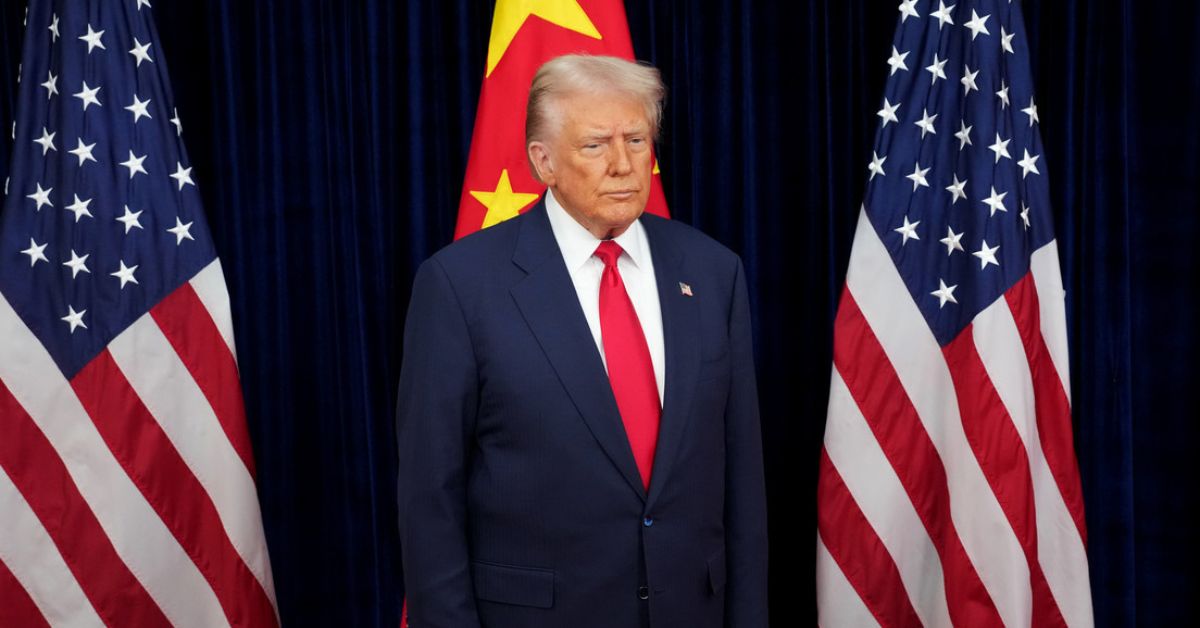
Donald Trump biography is a compelling account of ambition, business expansion, media influence, and political disruption that reshaped modern American history. From inheriting a real estate foundation built by his father to becoming a global brand name and eventually serving as the 45th President of the United States, Donald Trump’s journey is marked by bold decisions, public controversy, and lasting political impact. His life story spans decades of business deals, celebrity culture, and high-stakes political battles that continue to influence national and international conversations.
Early Life and Family Background
Donald John Trump was born on June 14, 1946, in Queens, New York City. He grew up in a wealthy and disciplined household as the fourth of five children of Fred Trump and Mary Anne MacLeod Trump. His father was a successful real estate developer who specialized in building and managing middle-income housing projects in Brooklyn and Queens.
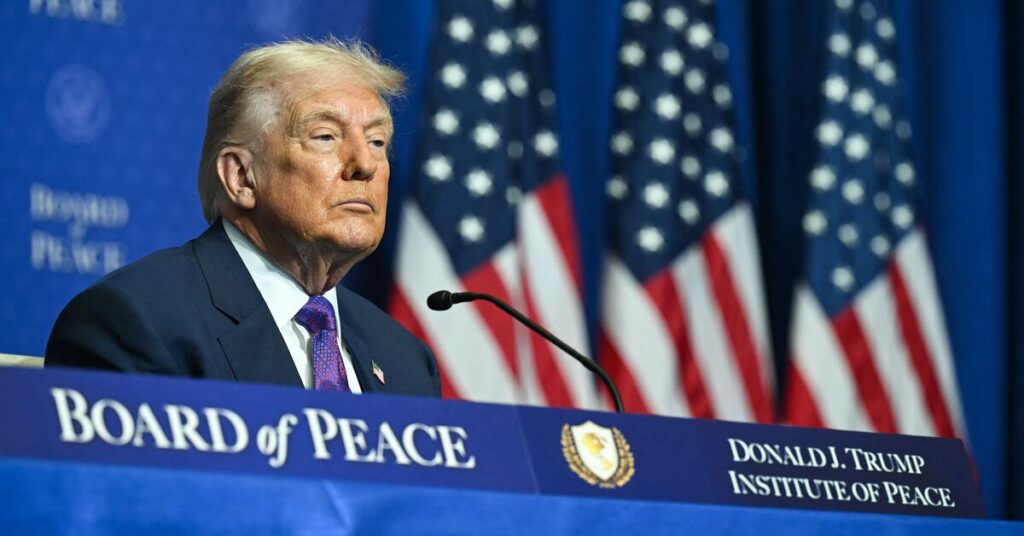
At the age of 13, due to behavioral challenges and high energy, Trump was sent to the New York Military Academy. The structured environment played a major role in shaping his personality. He thrived in competitive settings, earned leadership roles, and developed a strong sense of discipline and confidence.
After graduating from the academy, he briefly attended Fordham University before transferring to the Wharton School of the University of Pennsylvania. In 1968, he earned a degree in economics. His education provided him with formal training in finance and business management, which later supported his ambitions in real estate development.
Entry into Real Estate and Business Expansion
After college, Trump joined his father’s real estate company, Elizabeth Trump & Son. In the early 1970s, he took control of the business and renamed it The Trump Organization. He shifted the company’s focus from outer-borough residential housing to high-profile Manhattan real estate projects.
One of his earliest major successes was the renovation of the Commodore Hotel near Grand Central Terminal, which reopened as the Grand Hyatt New York. This project established him as a rising developer in Manhattan. In 1983, he completed Trump Tower, a 58-story skyscraper on Fifth Avenue that became a symbol of luxury and personal branding.
Donald Trump biography often emphasizes his unique branding strategy. He placed his name prominently on buildings, casinos, hotels, golf courses, and licensed properties worldwide. His brand became associated with luxury, boldness, and high visibility.
However, the 1990s brought financial difficulties. Several of his Atlantic City casinos filed for bankruptcy due to heavy debt and economic downturns. Despite these setbacks, Trump restructured his businesses and maintained control over many of his core assets. His ability to recover from financial struggles contributed to his public image as a resilient businessman.
Expansion into Entertainment and Media
In addition to real estate, Trump entered the entertainment industry. He purchased the Miss Universe, Miss USA, and Miss Teen USA beauty pageants in the 1990s, expanding his global exposure.
His most significant media breakthrough came in 2004 with the launch of the reality television show The Apprentice. The show featured contestants competing in business-related challenges for a job within The Trump Organization. Trump’s catchphrase, “You’re fired,” became widely recognized and strengthened his image as a decisive executive.
The success of The Apprentice ran for many seasons and significantly increased his popularity across America. For many viewers, he became a symbol of business authority and strong leadership. This media exposure played a crucial role in shaping the public persona that later supported his political ambitions.
Political Aspirations and 2016 Presidential Campaign
Although Trump had expressed political interest for decades, he officially announced his candidacy for president in June 2015 as a Republican. His campaign immediately drew attention due to its unconventional style and direct messaging.
He focused on key issues such as immigration reform, border security, trade renegotiation, tax reduction, deregulation, and job creation. His slogan, “Make America Great Again,” became one of the most recognizable political slogans in modern history.
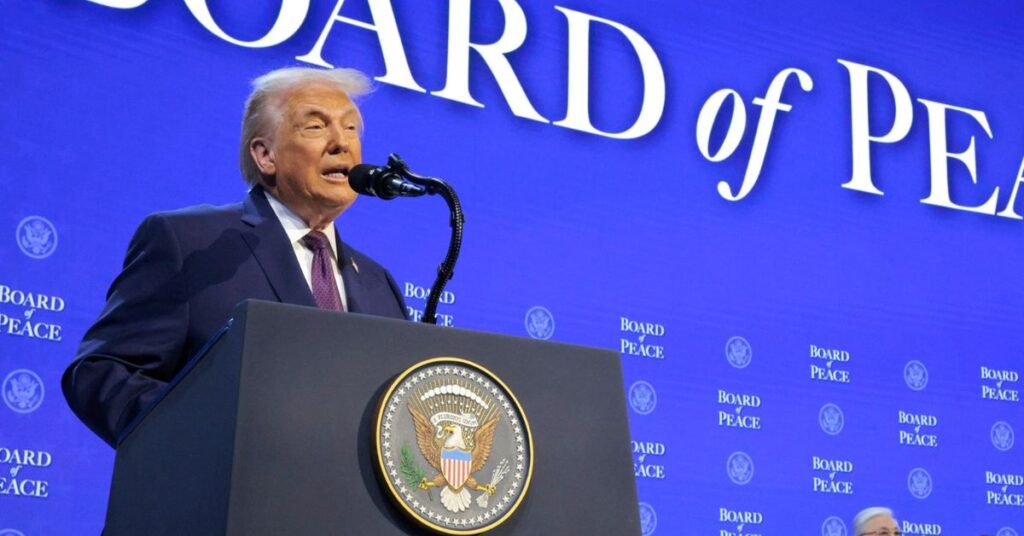
Throughout the Republican primaries, Trump defeated several established politicians, demonstrating strong support among voters who felt disconnected from traditional political leadership. In November 2016, he won the presidential election against Democratic candidate Hillary Clinton, securing victory through the Electoral College.
His election was widely regarded as one of the most surprising outcomes in American political history.
Presidency (2017–2021)
Donald Trump was inaugurated on January 20, 2017, becoming the 45th President of the United States. His presidency was characterized by rapid policy changes, strong executive actions, and continuous media attention.
Domestic Policy
One of his administration’s major achievements was the Tax Cuts and Jobs Act of 2017, which reduced corporate tax rates and aimed to stimulate economic growth. His government also focused on deregulation, arguing that reducing federal rules would encourage business investment.
Immigration policy was a central focus. His administration implemented travel restrictions on certain countries and pursued the construction of a border wall between the United States and Mexico. These policies were praised by supporters for prioritizing national security but criticized by opponents for being restrictive.
Judicial Appointments
Trump appointed three Supreme Court justices during his term: Neil Gorsuch, Brett Kavanaugh, and Amy Coney Barrett. These appointments significantly shifted the ideological balance of the Court and are considered one of his most lasting impacts on American governance.
Foreign Policy
In foreign policy, Trump promoted an “America First” strategy. He renegotiated the North American Free Trade Agreement (NAFTA), resulting in the United States-Mexico-Canada Agreement (USMCA). He also engaged in trade disputes with China, imposing tariffs aimed at addressing trade imbalances.
Additionally, his administration facilitated normalization agreements between Israel and several Arab nations, known as the Abraham Accords.
COVID-19 Pandemic
In 2020, the global COVID-19 pandemic posed one of the greatest challenges of his presidency. His administration launched “Operation Warp Speed,” a program designed to accelerate vaccine development. While vaccines were developed rapidly, his handling of the pandemic remained politically divisive.
Impeachments
Donald Trump biography also includes two impeachment trials. In 2019, he was impeached by the House of Representatives over allegations related to Ukraine. In 2021, he was impeached again following the January 6 Capitol riot. Both cases, he was acquitted by the Senate.
2020 Election and Post-Presidency
In the 2020 presidential election, Trump sought a second term but was defeated by Joe Biden. The election results were contested by Trump and many of his supporters, leading to legal challenges and intense political debate.
After leaving office in January 2021, Trump remained an influential figure within the Republican Party. He continued to hold rallies, endorse political candidates, and shape national political discussions. His post-presidency period has remained highly active compared to many former presidents.
Personal Life
Donald Trump has been married three times. His first marriage was to Ivana Trump, with whom he had three children: Donald Jr., Ivanka, and Eric. He later married Marla Maples, and they have one daughter, Tiffany. In 2005, he married Melania Trump, and they have one son, Barron.
Several of his children have played significant roles in his business empire and political campaigns. Ivanka Trump, in particular, served as a senior advisor during his presidency.
Leadership Style and Public Image
Trump is known for his direct communication style, particularly through social media. His approach to leadership often emphasized confrontation, negotiation, and media visibility. Supporters describe him as a strong and decisive leader who challenged political norms. Critics argue that his rhetoric and methods were polarizing.
Regardless of perspective, his influence on media culture and political communication is undeniable. He reshaped how political campaigns are conducted and how leaders interact with the public.
Legacy and Historical Significance
Donald Trump biography represents one of the most unconventional political journeys in American history. His transition from businessman and television personality to president broke traditional expectations of political experience.
His presidency influenced tax policy, judicial appointments, trade relationships, and the overall direction of the Republican Party. Even after leaving office, his presence continues to shape political debates and election strategies.
Whether viewed as a transformative leader or a controversial figure, Donald Trump’s life story reflects ambition, resilience, and a willingness to challenge established systems. His impact on American politics, media, and global relations ensures that his biography will remain a significant subject of study for generations to come.
Introduction
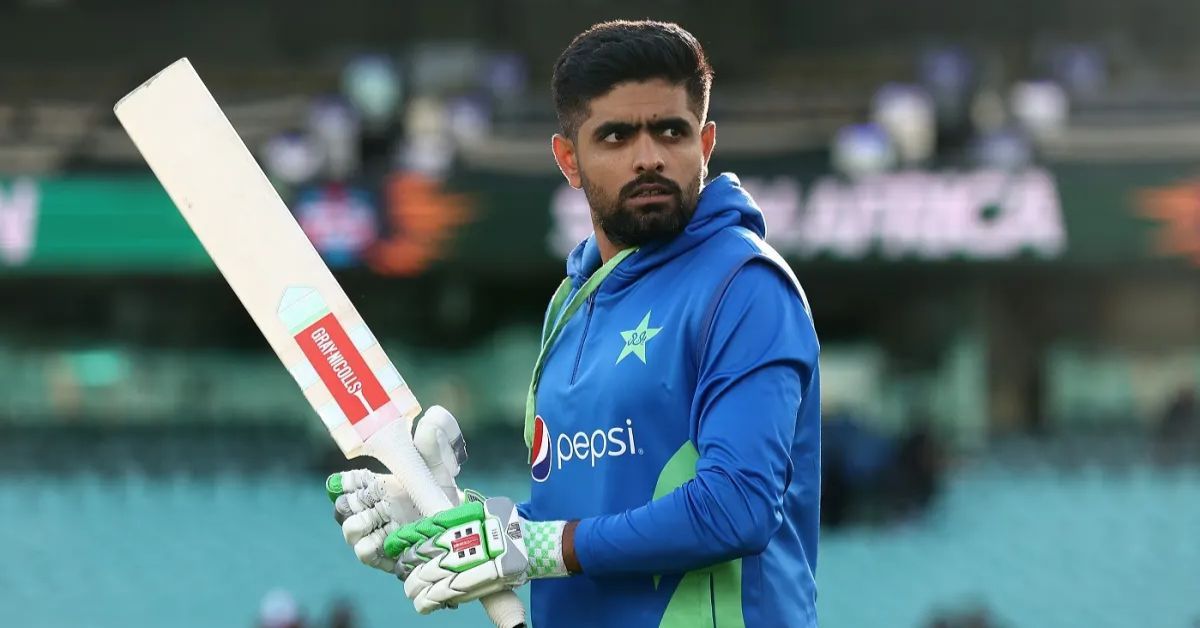
In modern cricket, few players combine elegance, consistency, and leadership as effectively as Babar Azam which is Pakistan’s stylish Run Machine. Widely regarded as one of the finest batsmen of his generation, Babar has become the backbone of Pakistan’s batting lineup. His stylish stroke play, calm temperament, and ability to score runs across all formats have earned him the nickname “Pakistan’s Stylish Run Machine.” Through dedication and remarkable skill, Babar has established himself as a global cricket star and an inspiration for young cricketers.
Early Life and Background
Babar Azam was born on October 15, 1994, in Lahore. Coming from a cricket-loving family, he developed an interest in the sport at a very young age. He is also related to famous Pakistani cricketers Kamran Akmal and Umar Akmal, who helped guide him during his early career.
Babar trained in Lahore’s cricket academies where coaches quickly noticed his natural batting talent and discipline. His strong performances in youth cricket soon earned him a place in Pakistan’s Under-19 team.
Rise Through Youth Cricket
Babar represented Pakistan in the ICC Under‑19 Cricket World Cup in both 2010 and 2012. During these tournaments, he showcased his impressive batting technique and consistency.
His performances at the youth level attracted national selectors and paved the way for his entry into professional cricket.
International Debut and Early Career
Babar made his One Day International (ODI) debut for Pakistan in 2015 against Zimbabwe national cricket team. Soon after his debut, he started scoring runs consistently and proved himself as a reliable top-order batsman.
In 2016, Babar gained global attention when he scored three consecutive ODI centuries against West Indies cricket team. This remarkable achievement placed him among the elite young batsmen in world cricket.
Batting Style and Strengths
Babar Azam is admired for his classic batting technique and elegant stroke play. His cover drive is often compared with the best shots played by legendary cricketers. Key strengths of his batting include:
- Excellent timing and balance
- Strong shot selection
- Ability to anchor the innings
- Consistency in all formats of the game
- Calmness under pressure
Because of these qualities, Babar is often compared with modern greats like Virat Kohli, Joe Root, and Kane Williamson.
Captaincy and Leadership
Babar Azam also served as the captain of the Pakistan national cricket team in different formats. Under his leadership, Pakistan achieved several notable victories and improved its ranking in international cricket.
His calm personality and professional attitude helped build a strong team environment and inspired young players to perform better.
Records and Achievements
Throughout his career, Babar Azam has achieved numerous milestones, including:
- Becoming one of the fastest players to reach 5000 ODI runs
- Scoring centuries in all three formats of international cricket
- Ranking among the top batsmen in ICC rankings
- Leading Pakistan to several important series victories
His consistency and performance have made him one of Pakistan’s most dependable cricketers.
Impact on Pakistan Cricket
Babar Azam’s success has had a huge impact on cricket in Pakistan. Young players admire his dedication, discipline, and professional approach to the game. He has become a role model for aspiring cricketers who dream of representing their country at the highest level.
Conclusion
Babar Azam truly deserves the title “Pakistan’s Stylish Run Machine.” His elegant batting, impressive records, and leadership qualities have made him one of the most important figures in modern cricket. As his career continues to grow, cricket fans around the world eagerly watch his performances, expecting many more memorable innings in the years to come.
With talent, determination, and passion for the game, Babar Azam remains a shining star in the history of Pakistan cricket.
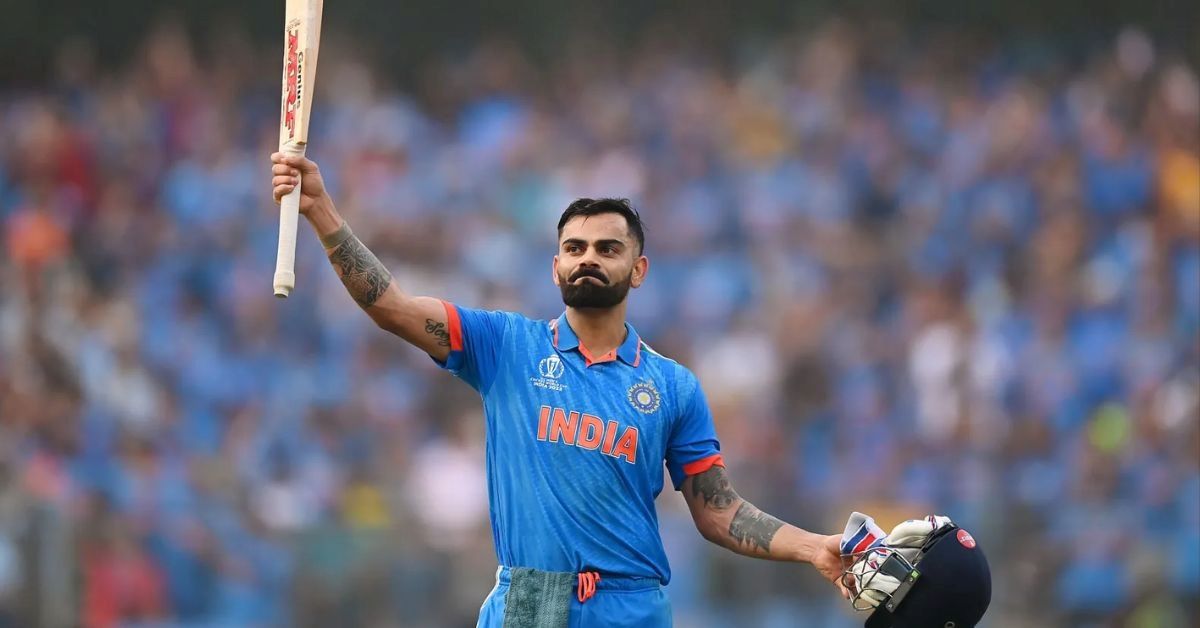
Virat Kohli is widely regarded as one of the greatest cricketers of the modern era. Known for his aggressive playing style, remarkable consistency, and strong leadership, Kohli has become a global icon in the world of cricket. His journey from a young cricket enthusiast in India to one of the most successful players in international cricket is a story of determination, talent, and hard work.
Early Life and Passion for Cricket
Virat Kohli was born on November 5, 1988, in Delhi. From a very young age, he showed an immense passion for cricket. Recognizing his talent, his father enrolled him in the West Delhi Cricket Academy where Kohli began professional training.
Kohli quickly developed a reputation as a talented batsman with a strong competitive spirit. His dedication and hard work helped him progress rapidly through the ranks of youth cricket in India.
Breakthrough in International Cricket
Virat Kohli gained international recognition when he captained the India Under-19 cricket team to victory in the ICC Under-19 Cricket World Cup 2008.
Later that same year, he made his debut for the India national cricket team in One Day Internationals. Over time, Kohli established himself as one of the most reliable batsmen in the team with his ability to chase targets and perform under pressure.
Dominance in International Cricket
Virat Kohli soon became one of the most consistent run scorers in international cricket. His batting style combines technical excellence with aggressive intent.
Some of his major achievements include:
- Scoring thousands of runs across all formats of international cricket
- Being among the fastest players to reach multiple batting milestones
- Winning several Player of the Series awards
- Ranking among the top batsmen in ICC rankings for many years
Kohli is especially known for his outstanding performances in ICC Cricket World Cup and other major tournaments.
Leadership as Captain
Virat Kohli also served as captain of the India national cricket team across multiple formats. As captain, he focused on building a strong and competitive team.
Under his leadership:
- India achieved historic test series victories overseas
- The team maintained the number one ranking in Test cricket for several years
- Fitness and discipline became a major focus for the squad
Kohli’s aggressive leadership style helped transform the team into one of the strongest sides in international cricket.
Success in the Indian Premier League
Apart from international cricket, Kohli has also been a major star in the Indian Premier League.
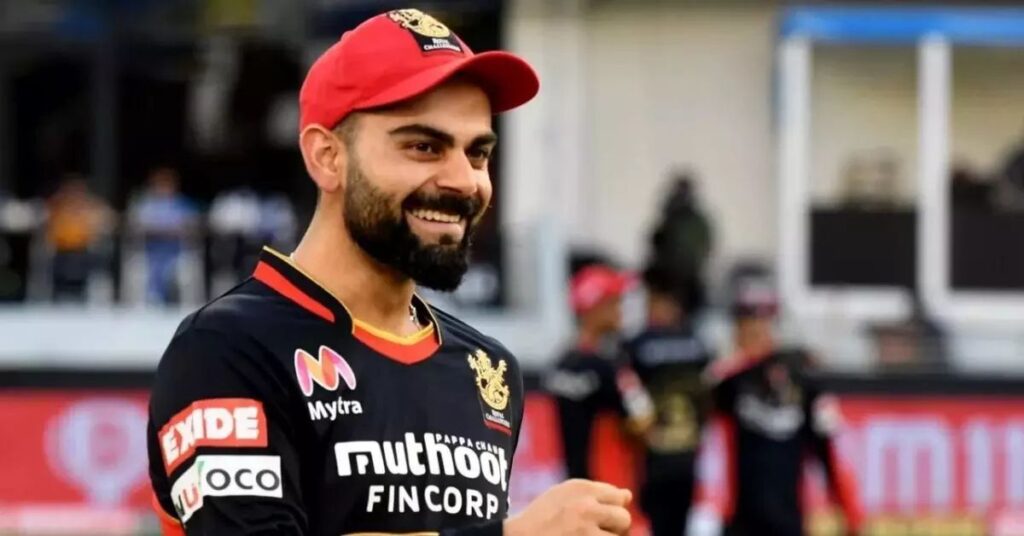
He has played for Royal Challengers Bangalore since the beginning of his IPL career. Kohli holds several IPL records, including one of the highest run totals in a single season.
His performances in the league have made him one of the most popular players in T20 cricket.
Also in the presence of kohli Royal Challengers Bangalore Win IPL 2025 season.
Fitness, Discipline, and Work Ethic
One of the defining characteristics of Virat Kohli’s success is his extraordinary fitness and discipline. He is known for maintaining strict training routines, a balanced diet, and intense workout sessions.
His commitment to fitness has inspired many young cricketers to focus on physical conditioning as an essential part of the sport.
Influence Beyond Cricket
Beyond the cricket field, Kohli is also a global celebrity and entrepreneur. He has collaborated with several major brands and launched his own ventures.
He is married to Anushka Sharma, one of India’s leading film actresses. Together, they are considered one of the most influential celebrity couples in India.
Kohli is also actively involved in charity work through the Virat Kohli Foundation, which supports underprivileged children and promotes sports development.
Legacy and Impact
Virat Kohli’s influence on modern cricket is undeniable. His aggressive batting style, leadership qualities, and unmatched consistency have set new standards for future generations of cricketers.
Young players around the world admire him for his passion, determination, and relentless pursuit of excellence.
Conclusion
The rise of Virat Kohli from a young cricket lover in Delhi to one of the greatest modern cricketers is truly inspiring. His journey reflects the importance of talent, hard work, discipline, and self-belief.
As he continues to perform at the highest level, Kohli’s legacy as a modern cricket legend will remain a source of inspiration for cricket fans and aspiring athletes around the world.
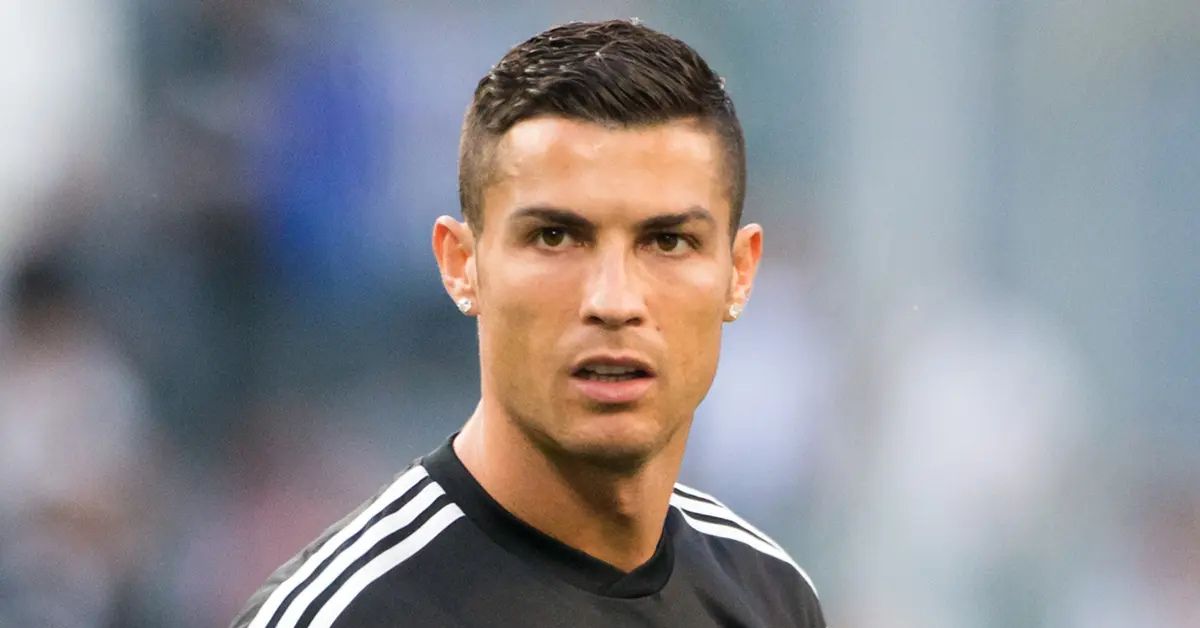
Cristiano Ronaldo is widely regarded as one of the greatest football players in history. Known for his incredible athleticism, goal-scoring ability, and unmatched dedication, Ronaldo has inspired millions of fans across the world. His journey from a young boy in Portugal to a global football icon is a story of talent, hard work, and perseverance.
Early Life and Childhood
Cristiano Ronaldo dos Santos Aveiro was born on February 5, 1985, in Funchal. He grew up in a modest family where financial struggles were common. Despite these challenges, Ronaldo showed an early passion for football.
As a child, he played for a local club called Andorinha, where his father worked as a kit manager. His talent quickly became noticeable, and he later joined the youth academy of Sporting CP.
At the age of 12, Ronaldo moved to Lisbon to train at Sporting’s academy. This was a difficult step because he had to leave his family behind, but it marked the beginning of his professional football journey.
Breakthrough at Manchester United
Ronaldo’s big break came in 2003 when he signed for Manchester United, one of the biggest clubs in England. The legendary manager Sir Alex Ferguson recognized Ronaldo’s potential and helped him develop into a world-class player.
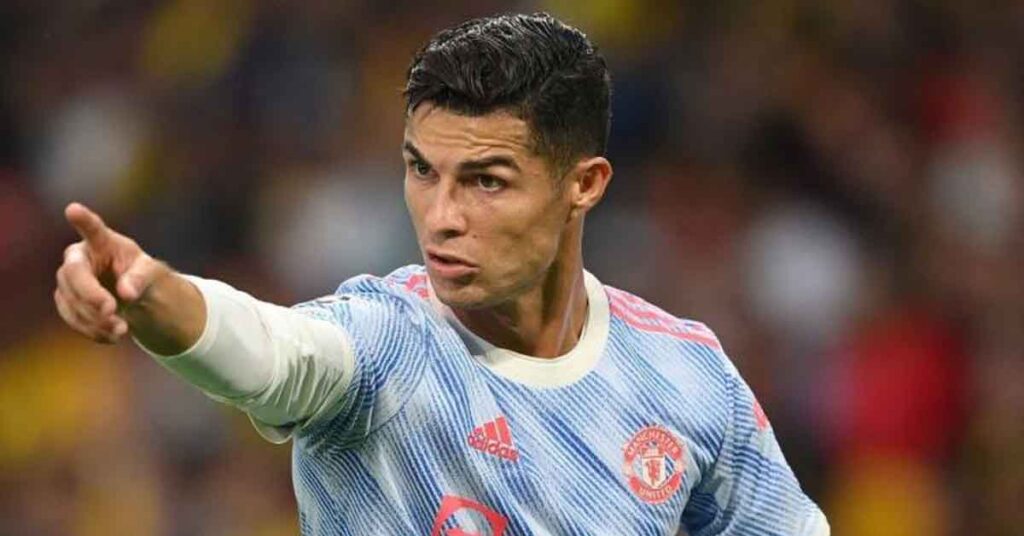
During his time at Manchester United, Ronaldo achieved remarkable success:
- Won multiple Premier League titles
- Won the UEFA Champions League in 2008
- Won his first Ballon d’Or in 2008
His speed, dribbling skills, and goal-scoring ability made him one of the most exciting players in the world.
Legendary Era at Real Madrid
In 2009, Ronaldo transferred to Real Madrid for a then-record transfer fee. This move marked the most successful period of his career.
At Real Madrid, Ronaldo:
- Scored 450 goals in 438 appearances
- Won four Champions League titles
- Won four Ballon d’Or awards
His rivalry with Lionel Messi during this era created one of the most exciting periods in football history.
Ronaldo became Real Madrid’s all-time top scorer, solidifying his legacy as a football legend.
Success with the Portugal National Team
Ronaldo has also achieved great success with the Portugal national football team.
One of his greatest achievements came in UEFA Euro 2016, when Portugal won its first major international trophy.
He later helped Portugal win the UEFA Nations League Finals 2019.
Ronaldo is the top goal scorer in international men’s football, showing his consistency at the highest level.
Later Career and Global Influence
After leaving Real Madrid, Ronaldo played for Juventus, where he continued scoring goals and winning titles. He later returned to Manchester United before moving to Al Nassr in Saudi Arabia.
Beyond football, Ronaldo is a global brand. His influence extends to business, fashion, and fitness. His brand CR7 includes clothing, fragrances, and hotels.
He is also one of the most followed athletes on social media, inspiring millions with his work ethic and lifestyle.
Work Ethic and Training
One of the key reasons behind Ronaldo’s success is his extraordinary discipline and dedication.
His routine includes:
- Intense daily training
- Strict diet and nutrition
- Focus on physical fitness
- Mental determination
This commitment has allowed him to perform at an elite level for more than two decades.
Legacy and Impact on Football
Cristiano Ronaldo’s legacy goes far beyond statistics and trophies. He has changed modern football with his professionalism, athletic ability, and competitive spirit.
Young players around the world look up to him as a role model. His journey proves that talent combined with hard work can lead to greatness.
Conclusion
The rise of Cristiano Ronaldo from a small island in Portugal to one of the greatest footballers in history is truly remarkable. His dedication, determination, and passion for the game have made him a global icon.
Even after achieving countless records and trophies, Ronaldo continues to inspire fans and athletes worldwide. His story reminds us that dreams can become reality with discipline, perseverance, and belief in oneself.

Babar Azam: Pakistan’s Stylish Run Machine!!!

Virat Kohli: Rise of a Modern Cricket Legend!

Cristiano Ronaldo: Rise of a Football Legend!

Cristiano Ronaldo: Life, Career, and Legacy of a Football Star

Saiyaara Movie Overview: A Soulful Romantic Journey

What is Chainlink? Complete Guide to How It Works
-
 Lifestyle8 months ago
Cristiano Ronaldo: Life, Career, and Legacy of a Football Star
-
 Lifestyle8 months ago
Saiyaara Movie Overview: A Soulful Romantic Journey
-
 Lifestyle8 months ago
What is Chainlink? Complete Guide to How It Works
-
Lifestyle9 months ago
Understanding Crypto Market Volatility: Tips for Investors
-

 Lifestyle8 months ago
Yellowstone National Park: Travel, Nature & Wildlife Guide
-

 Lifestyle9 months ago
Trump Claims Musk ‘Off The Rails’ For Making Political Party
-

 Lifestyle8 months ago
Kawasaki Z650: Power, Performance, and Style Combined
-

 Lifestyle8 months ago
Cate Blanchett: Life, Career, Awards & Legacy Explored