
Lifestyle
Is the Prime Minister of Israel Alive or Not?


Introduction
In times of political tension and rapid news cycles, questions about the status of world leaders often circulate online. One such question people ask is: Is the Prime Minister of Israel alive or not?
The clear and factual answer is yes — the current Prime Minister of Israel, Benjamin Netanyahu, is alive and serving in office.
This article provides a complete overview of his current status, his role in Israel’s government, and why such questions sometimes arise.
Who Is the Prime Minister of Israel?
The Prime Minister of Israel is the head of government and holds executive authority over national policy, security decisions, and administration.
As of 2026, the Prime Minister is Benjamin Netanyahu, leader of the Likud party. He has served multiple terms in office and is one of the longest-serving prime ministers in Israel’s history.
Basic Information

- Full Name: Benjamin Netanyahu
- Date of Birth: October 21, 1949
- Political Party: Likud
- Current Position: Prime Minister of Israel
Netanyahu first became prime minister in 1996. He later returned to power in 2009 and has served multiple consecutive terms since then.
Current Status: Alive and Active
There are no official reports or credible sources indicating that Benjamin Netanyahu has died or left office due to health reasons. He continues to:
- Participate in government meetings
- Make public addresses
- Engage in diplomatic discussions
- Oversee national security decisions
Major developments regarding national leaders are always widely reported by international media, and there have been no announcements suggesting any change in his status.
Role of the Prime Minister in Israel
Israel operates under a parliamentary system, meaning the Prime Minister holds the most powerful political position in the country.
Key Responsibilities Include:
- Leading the government and Cabinet
- Setting domestic and foreign policy
- Overseeing defense and national security
- Managing economic and administrative affairs
- Representing Israel internationally
Unlike the President of Israel, who serves primarily a ceremonial role, the Prime Minister directs government operations and makes executive decisions.
Difference Between President and Prime Minister
Confusion sometimes arises because Israel has both a President and a Prime Minister.
- The President of Israel is the ceremonial head of state.
- The Prime Minister of Israel is the head of government and chief executive authority.
While the president handles symbolic duties and formal responsibilities, the prime minister leads policy decisions and government strategy.
Why Do Questions About His Status Appear?
There are several reasons why people may question whether a prime minister is alive:
1. Political Tensions
Israel is frequently in global headlines due to regional conflicts and political developments. During tense periods, rumors can spread quickly.
2. Online Misinformation
Social media sometimes circulates false or unverified claims about public figures.
3. Health Rumors
Leaders of advanced age often become subjects of speculation regarding health, even without verified evidence.
However, any serious health issue or death involving a sitting prime minister would be immediately reported by official government channels and international news organizations.
There has been no such announcement regarding Benjamin Netanyahu.
Political Career Overview
Benjamin Netanyahu has had a long and influential political career.
Major Milestones:
- Served as Israel’s Ambassador to the United Nations
- First elected Prime Minister in 1996
- Returned to office in 2009
- Led multiple coalition governments
- Played a central role in foreign policy and security matters
He has also faced legal investigations and political controversies, which have been publicly documented. Despite this, he continues to serve in office.
Israel’s Government Structure
To better understand his role, here is a simplified overview of Israel’s political system:
- Knesset (Parliament): Legislative branch
- Prime Minister and Cabinet: Executive branch
- Judiciary: Independent court system
The Prime Minister is typically the leader of the political party or coalition that holds a majority in the Knesset.
What Happens If a Prime Minister Cannot Serve?
If a Prime Minister becomes unable to perform duties due to death, resignation, or incapacity:
- The government would appoint an acting prime minister.
- Legal procedures would determine succession or elections.
- The situation would be publicly announced immediately.
No such situation has occurred regarding the current Prime Minister.
Conclusion
To answer the question clearly:
Yes, the Prime Minister of Israel, Benjamin Netanyahu, is alive and serving in office.
There are no credible reports suggesting otherwise. He continues to carry out his duties as head of government within Israel’s parliamentary system.
When questions arise about world leaders, it is always important to rely on verified information from official and reputable sources. As of now, Israel’s prime minister remains active in political leadership and government affairs.
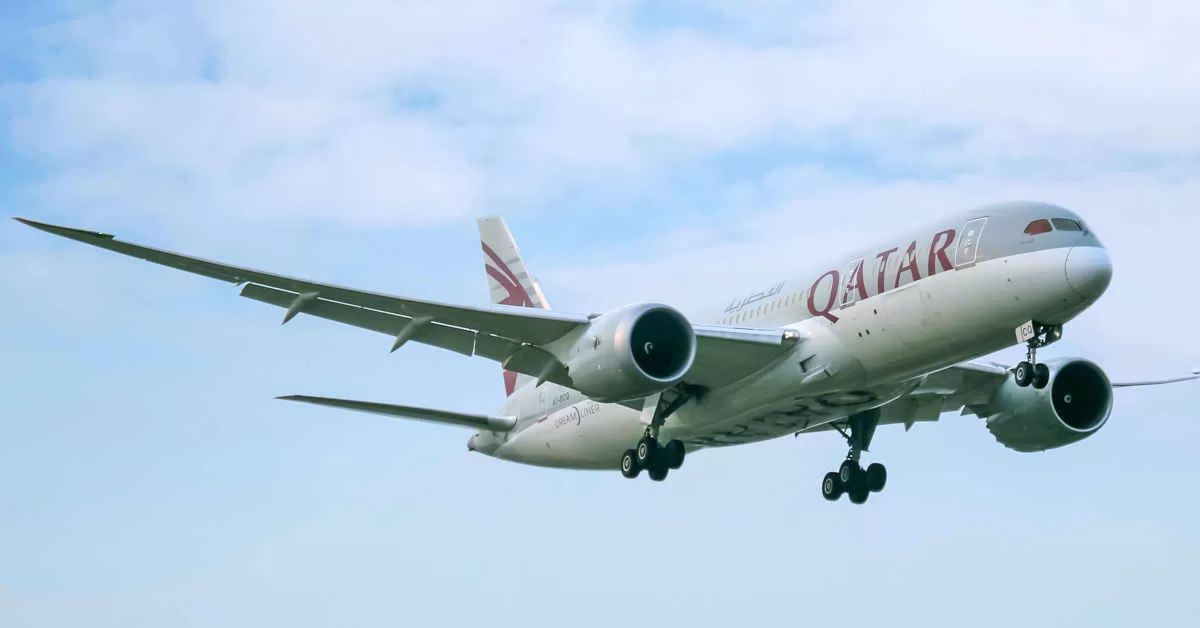
Introduction
Qatar Airways: Excellence in the Skies Today! is more than a slogan—it reflects the airline’s commitment to luxury, innovation, safety, and global connectivity. As the national carrier of Qatar, Qatar Airways has built a reputation as one of the world’s leading airlines, consistently earning top industry awards and passenger praise.
Founded in 1993 and relaunched in 1997, the airline has grown from a regional carrier into a global aviation powerhouse connecting over 160 destinations worldwide.
World-Class Hub: Hamad International Airport
At the heart of its operations is Hamad International Airport in Doha. Recognized as one of the best airports in the world, it offers:
- Spacious, modern architecture
- Luxury lounges including Al Mourjan Business Lounge
- High-end shopping and fine dining
- Efficient transit services for global passengers
The airport plays a crucial role in making Qatar Airways a preferred choice for international travelers.
Fleet and Innovation
Qatar Airways operates one of the youngest and most fuel-efficient fleets in the aviation industry. Its aircraft include:
- Airbus A350
- Boeing 787 Dreamliner
- Boeing 777
These aircraft are equipped with advanced technology, improved fuel efficiency, and enhanced passenger comfort. The airline has also been a leader in adopting sustainable aviation initiatives to reduce carbon emissions.
Award-Winning Service
Qatar Airways is widely known for its premium service. It has received multiple “World’s Best Airline” awards from Skytrax.
Cabin Classes
1. First Class
- Private suites
- Gourmet dining
- Premium amenities
2. Business Class – Qsuite
The revolutionary Qsuite offers:
- Fully lie-flat beds
- Sliding privacy doors
- Adjustable quad seating for families or colleagues
3. Economy Class
- Spacious seating
- Award-winning in-flight entertainment
- Complimentary meals and beverages
The airline’s hospitality reflects traditional Arabian warmth combined with international standards.
Global Network and Partnerships
Qatar Airways connects major cities across:
- Europe
- Asia
- North America
- South America
- Africa
- Australia
It is also a proud member of the Oneworld alliance, allowing passengers to enjoy seamless travel, shared benefits, and expanded route options worldwide.
Commitment to Safety and Sustainability
Safety is a top priority for Qatar Airways. The airline follows strict international aviation standards and continuously upgrades its operational procedures.
In addition, Qatar Airways is investing in:
- Sustainable aviation fuel (SAF)
- Carbon offset programs
- Fuel-efficient aircraft technology
These initiatives demonstrate its dedication to environmentally responsible growth.
Cargo Operations
Beyond passenger services, Qatar Airways operates a strong cargo division known as Qatar Airways Cargo. It is one of the world’s leading air cargo carriers, transporting goods, pharmaceuticals, and essential supplies globally.
Leadership and Vision
Under the leadership of Akbar Al Baker (former Group CEO), Qatar Airways experienced rapid expansion and global recognition. The airline continues to pursue innovation, service excellence, and strategic growth as part of Qatar’s national vision.
Conclusion
Airways stands as a symbol of luxury, reliability, and global connectivity. From its state-of-the-art fleet to its award-winning service and world-class hub in Doha, the airline consistently delivers excellence in the skies.Whether traveling for business or leisure, passengers choosing this airline experience comfort, quality, and hospitality at every stage of their journey—truly embodying “Excellence in the Skies Today!”

The Cyber Truck represents a bold transformation in the world of pickup trucks. With its futuristic design, electric powertrain, and advanced technology, the Tesla Cybertruck challenges traditional ideas of what a truck should look like and how it should perform. Built by Tesla, Inc., it combines sustainability, durability, and high performance in a single electric vehicle (EV).
1. Revolutionary Design
Unlike conventional pickups, the Cybertruck features:
- Sharp geometric lines
- Stainless steel exoskeleton
- Ultra-hard 30X cold-rolled steel body
- Armored glass (designed for impact resistance)
Its angular, stainless-steel exterior is not just aesthetic—it enhances durability and reduces the need for traditional paint finishes.
2. Electric Performance and Power
The Cybertruck is powered entirely by electricity, eliminating the need for gasoline or diesel.
Key Performance Highlights:
- Instant torque from electric motors
- Fast acceleration (sports car–level in higher trims)
- High towing capacity
- All-wheel drive options
Electric motors provide smooth, quiet driving while maintaining strong pulling power, making it suitable for both city roads and rugged terrain.
3. Battery Range and Charging
Range is one of the most important features of any EV.
The Cybertruck offers multiple range options depending on the model. Drivers can recharge using:
- Home charging systems
- Public charging stations
- Tesla’s Supercharger network
Charging infrastructure continues to expand globally, making long-distance electric travel more practical.
4. Interior and Technology
The interior reflects Tesla’s minimalist philosophy:
- Large central touchscreen display
- Advanced driver-assistance systems
- Over-the-air software updates
- Spacious cabin and cargo vault
The truck includes Tesla’s Autopilot capabilities, enhancing safety and convenience during highway driving.
5. Utility and Practicality
Despite its futuristic appearance, the Cybertruck remains highly functional.
Utility Features:
- Large cargo bed (“vault”) with secure cover
- High ground clearance
- Adaptive air suspension
- Onboard power outlets
These features make it suitable for work, camping, and off-road adventures.
6. Environmental Impact
Electric vehicles like the Cybertruck help reduce:
- Carbon emissions
- Dependence on fossil fuels
- Air pollution
When powered by renewable energy, the environmental benefits increase significantly. This shift supports global sustainability efforts and climate goals.
7. Market Impact and Competition
The Cybertruck has disrupted the traditional pickup market, competing with electric trucks from established automakers. Its unconventional design and strong brand recognition have generated global attention and pre-orders.
By combining performance and sustainability, Tesla aims to reshape consumer expectations for pickup trucks.
8. Advantages and Challenges
Advantages:
- Zero tailpipe emissions
- High torque and acceleration
- Advanced technology features
- Durable body construction
Challenges:
- Charging time compared to refueling
- Higher upfront cost
- Infrastructure limitations in some regions
As battery technology improves, many of these challenges are expected to diminish.
9. The Future of Electric Trucks
The Cybertruck signals a broader transition toward electric mobility. Governments worldwide are encouraging EV adoption through incentives and emissions regulations. As technology advances, electric trucks are likely to become more affordable, efficient, and widely accepted.
Conclusion
The Cyber Truck: Future of Electric Power Drives! is more than just a vehicle—it is a statement about innovation and sustainability. With its distinctive design, electric performance, advanced technology, and environmental benefits, the Tesla Cybertruck represents the next chapter in automotive evolution.
As the world moves toward cleaner energy and smarter transportation, electric trucks like the Cybertruck are poised to play a significant role in shaping the future of mobility.

The Amazon Forest, often called the “Lungs of the Living Earth,” is the largest tropical rainforest on the planet and one of the most vital ecosystems for life on Earth. Spanning millions of square kilometers across South America, it plays a critical role in regulating the global climate, supporting biodiversity, and sustaining millions of people.
1. Location and Geographic Overview
The Amazon Rainforest stretches across nine countries in South America, with the majority located in Brazil. It also extends into Peru, Colombia, Venezuela, Ecuador, Bolivia, Guyana, Suriname, and France (through French Guiana).
At its heart flows the mighty Amazon River, the second-longest river in the world and one of the largest by discharge volume. The river and its tributaries form the Amazon Basin, which supports the rainforest’s rich ecosystem.
2. Climate and Environment
The Amazon has a tropical climate, characterized by:
- High temperatures throughout the year
- Heavy rainfall
- High humidity
Rainfall averages between 2,000 to 3,000 mm annually. The forest has multiple layers:
- Emergent Layer – Tallest trees reaching up to 70 meters
- Canopy Layer – Dense upper layer forming a green roof
- Understory Layer – Smaller trees and shrubs
- Forest Floor – Dark, moist ground rich in decomposers
These layers create a complex and self-sustaining ecosystem.
3. Biodiversity: A Living Treasure
The Amazon is the most biodiverse rainforest in the world. It is home to:
- Over 40,000 plant species
- Around 1,300 bird species
- More than 3,000 species of fish
- Millions of insect species
- Hundreds of mammals and reptiles
Some iconic animals include:
- Jaguars
- Sloths
- Anacondas
- Poison dart frogs
- Macaws
Many species found in the Amazon do not exist anywhere else on Earth.
4. Why It Is Called “Lungs of the Earth”
The Amazon is often called the “Lungs of the Earth” because it:
- Absorbs large amounts of carbon dioxide
- Produces oxygen through photosynthesis
- Helps regulate global temperatures
- Influences rainfall patterns worldwide
Although oceans produce most of the Earth’s oxygen, the Amazon plays a crucial role in carbon storage and climate regulation. It acts as a massive carbon sink, helping slow down climate change.
5. Indigenous People and Culture
The Amazon is home to more than 400 indigenous tribes. These communities have lived in harmony with the forest for thousands of years. They depend on it for:
- Food
- Medicine
- Shelter
- Cultural identity
Their traditional knowledge of plants and wildlife is invaluable for medicine and conservation.
6. Economic Importance
The forest provides:
- Timber
- Rubber
- Medicinal plants
- Fruits and nuts
- Ecotourism opportunities
It also supports agriculture and fishing industries in surrounding regions. However, economic exploitation must be balanced with conservation.
7. Threats to the Amazon
Despite its importance, the Amazon faces serious threats:
1. Deforestation
Large areas are cleared for cattle ranching, agriculture, and logging.
2. Climate Change
Rising temperatures and changing rainfall patterns threaten its ecosystem.
3. Mining and Infrastructure
Illegal mining and road construction damage habitats and pollute rivers.
4. Forest Fires
Many fires are intentionally set to clear land for farming.
If deforestation continues, scientists warn the Amazon could reach a “tipping point,” turning parts of the rainforest into dry savanna.
8. Conservation Efforts
Many organizations and governments are working to protect the Amazon through:
- Protected areas and national parks
- Sustainable forestry programs
- Indigenous land rights protection
- International climate agreements
Global awareness and responsible consumption also play a key role in reducing deforestation.
9. Conclusion
The Amazon Forest is not just a regional treasure—it is a global necessity. As the “Lungs of the Living Earth,” it stabilizes the climate, nurtures biodiversity, and supports millions of lives. Protecting the Amazon is not only the responsibility of South America but of the entire world.
The future of our planet is deeply connected to the future of the Amazon. Safeguarding it ensures cleaner air, a balanced climate, and a thriving Earth for generations to come.

Is the Prime Minister of Israel Alive or Not?

Qatar Airways: Excellence in the Skies Today!

Cyber Truck: Future of Electric Power Drives!

Cristiano Ronaldo: Life, Career, and Legacy of a Football Star

Saiyaara Movie Overview: A Soulful Romantic Journey

What is Chainlink? Complete Guide to How It Works
-
 Lifestyle7 months ago
Cristiano Ronaldo: Life, Career, and Legacy of a Football Star
-
 Lifestyle7 months ago
Saiyaara Movie Overview: A Soulful Romantic Journey
-
 Lifestyle7 months ago
What is Chainlink? Complete Guide to How It Works
-
Lifestyle8 months ago
Understanding Crypto Market Volatility: Tips for Investors
-

 Lifestyle7 months ago
Yellowstone National Park: Travel, Nature & Wildlife Guide
-

 Lifestyle8 months ago
Trump Claims Musk ‘Off The Rails’ For Making Political Party
-

 Lifestyle7 months ago
Kawasaki Z650: Power, Performance, and Style Combined
-

 Lifestyle7 months ago
Cate Blanchett: Life, Career, Awards & Legacy Explored